Can ViaBTC Crypto Wallet Simplify Your Cryptocurrency Management?
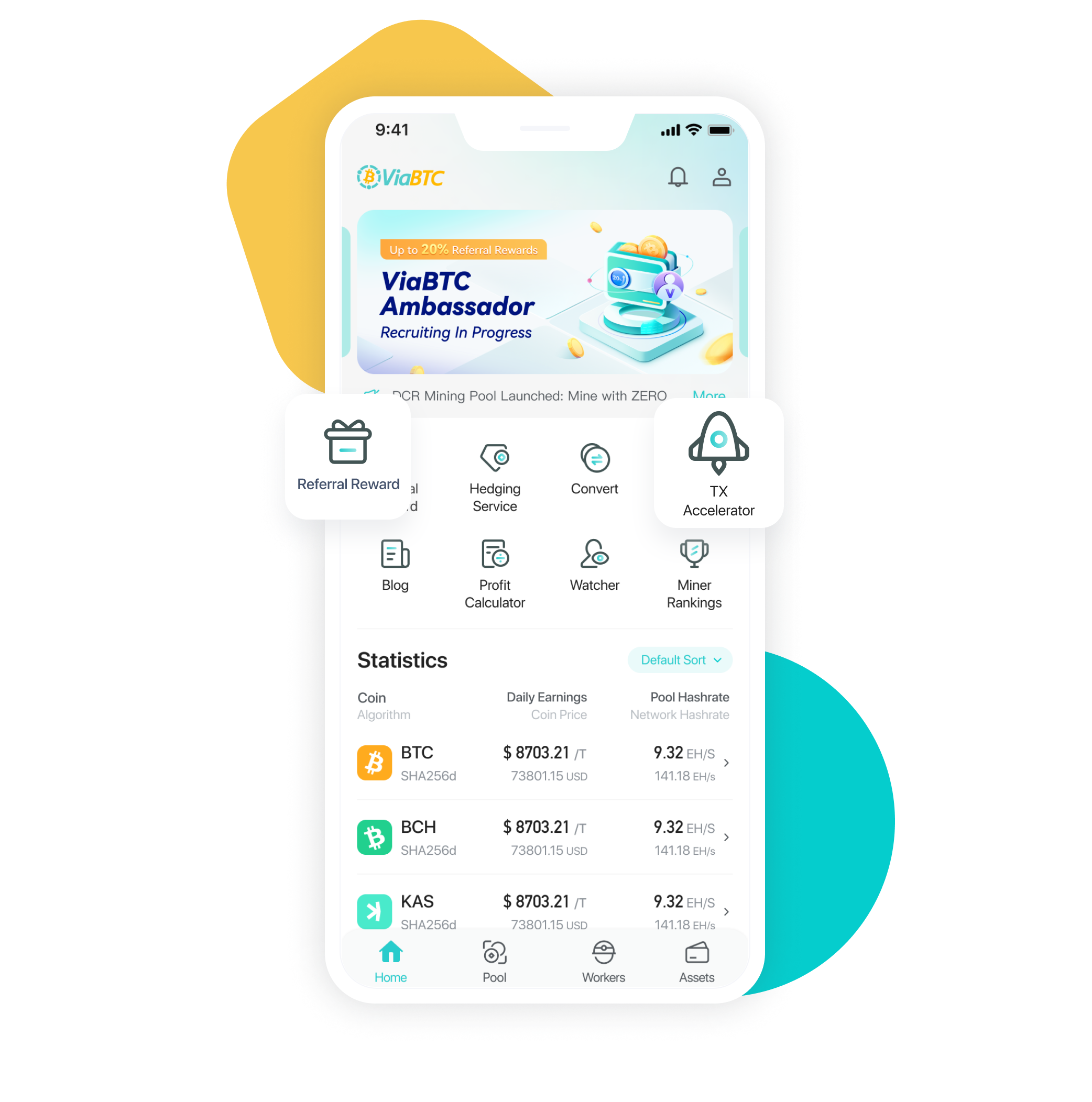
ViaBTC Crypto Wallet can simplify cryptocurrency management by combining asset storage, transaction access, and ecosystem services in one platform. With the growth of digital assets from Bitcoin’s launch in 2009 to a market with millions of global users by 2026, wallet tools have become important for organizing multiple cryptocurrencies, checking transaction records, and improving daily operations. A practical wallet reduces unnecessary steps and helps users manage assets more efficiently.
Cryptocurrency management has become more complicated as users hold different digital assets across multiple blockchain networks. Bitcoin, Ethereum, stablecoins, and other cryptocurrencies use different transaction systems, confirmation processes, and fee structures. In 2025, the global crypto user base was estimated to exceed 500 million people, with thousands of digital assets available across various networks.
A wallet is no longer only a storage tool. Users now expect easier access to balances, transaction information, and connected services. The ViaBTC Crypto Wallet provides a platform where users can organize cryptocurrency assets while accessing features designed for daily digital asset management.
“A well-structured wallet experience can reduce the number of steps required for common cryptocurrency operations, especially for users managing multiple assets.”
Managing several cryptocurrencies often requires users to switch between exchanges, wallets, and blockchain explorers. Each platform may display information differently, which increases the time needed to check balances or confirm transfers.
A unified wallet interface helps users view their assets in one place. Instead of manually collecting information from different platforms, users can review transaction activity, monitor balances, and manage transfers through a single environment.
The need for simple asset management has increased as cryptocurrency adoption expands. Since Bitcoin reached its first major market growth period in 2017 and continued expanding after 2020, more users have entered the market without professional blockchain experience. A wallet designed with clear navigation can reduce technical barriers for new participants.
Security is another important part of cryptocurrency wallet management. Blockchain transactions are generally irreversible after confirmation, so protecting account access information is essential. Between 2021 and 2024, cryptocurrency security reports recorded billions of dollars in losses from various digital asset incidents, showing why wallet protection remains a major concern.
A reliable wallet should include security features that help users manage access safely. Users also need to follow basic protection methods, such as creating strong passwords, storing recovery information securely, and verifying transaction details before approval.
| User Requirement | Wallet Function |
|---|---|
| Store different cryptocurrencies | Centralized asset management |
| Review payment history | Transaction record display |
| Manage transfers | Simplified sending and receiving process |
| Protect accounts | Security and access controls |
Transaction management is another area where wallet design affects user experience. Cryptocurrency transfers involve details such as wallet addresses, network fees, and confirmation times. A small mistake in an address can result in permanent asset loss because blockchain transactions cannot usually be reversed.
A wallet that presents transaction information clearly helps users review important details before completing transfers. For users who frequently move assets, reducing unnecessary steps can make daily cryptocurrency operations more efficient.
“Clear transaction information helps users understand where assets are stored, when transfers occur, and how blockchain activity changes over time.”
The connection between cryptocurrency wallets and mining services also creates additional use cases. ViaBTC has operated in the cryptocurrency mining industry since 2016, providing services related to mining pools and digital asset operations. Miners often receive cryptocurrency rewards regularly and require convenient tools to store and manage those assets.
Mining participants may receive frequent reward payments depending on their mining activity. For example, Bitcoin mining pools process large numbers of reward transactions every day, making wallet organization important for users who manage mining income alongside other holdings.
A wallet connected with a broader cryptocurrency ecosystem can reduce the need to move funds repeatedly between unrelated platforms. This approach may help users manage mining rewards, personal holdings, and transaction activities through a more connected workflow.
The growth of decentralized finance and blockchain applications has also changed wallet expectations. In 2020, decentralized finance activity expanded rapidly, with total value locked in DeFi protocols increasing from less than $1 billion at the beginning of the year to more than $10 billion by mid-2020.
Although many users still mainly use wallets for storage and transfers, modern wallets increasingly support wider cryptocurrency activities. Users want faster access to their assets while maintaining control over their accounts.
A wallet platform must balance convenience with security. Adding too many functions can make interfaces difficult to use, while removing useful features may limit user flexibility. The best wallet experience usually focuses on clear design, reliable access, and practical tools.
For different types of users, wallet requirements may vary:
| User Type | Common Need |
|---|---|
| Beginners | Simple interface and easy asset access |
| Long-term holders | Secure storage and balance checking |
| Active traders | Faster transfers and transaction records |
| Miners | Convenient reward management |
The cryptocurrency market has continued developing since Bitcoin introduced blockchain technology in 2009. By 2026, digital asset management has become a daily activity for many users, including individuals, businesses, and mining participants.
A wallet such as ViaBTC Crypto Wallet can support this changing environment by combining storage, transaction management, and ecosystem-related functions. Users can handle routine cryptocurrency tasks without relying on multiple disconnected services.
Future wallet development will likely focus on improving usability, supporting more blockchain networks, and providing stronger security options. As cryptocurrency ownership grows, simple and organized management tools will remain important for users who need practical ways to handle their digital assets.